
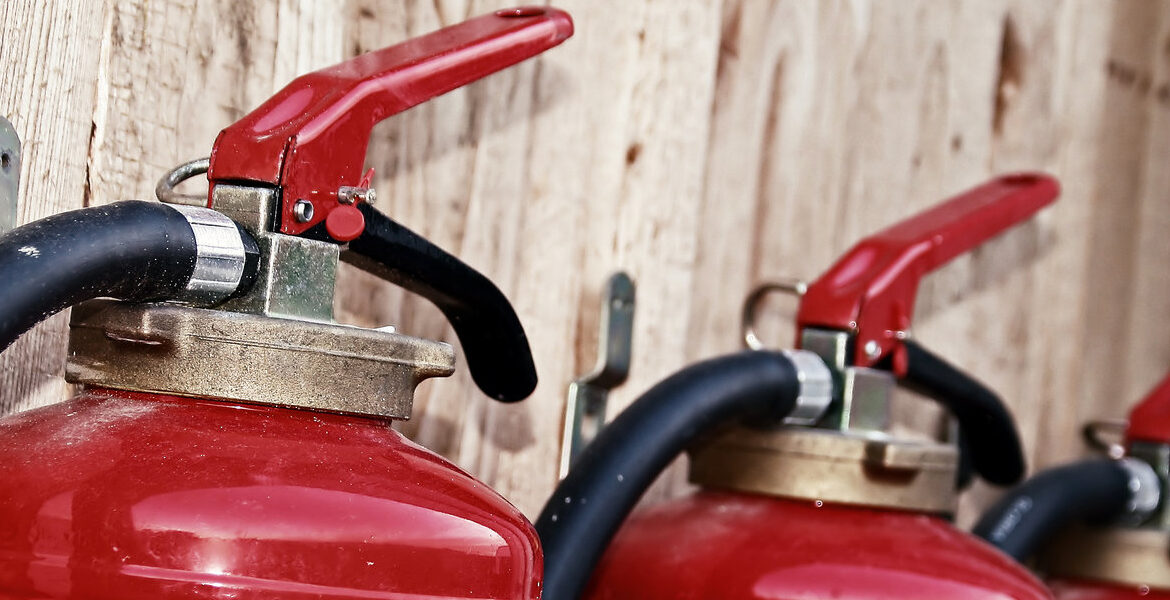
Fire extinguishers are a critical component of any fire safety plan. They provide the first line of defence in the event of a fire, potentially saving lives and limiting property damage. However, like any piece of equipment, they require regular maintenance to ensure they function correctly when needed. This brings us to the question: do fire extinguishers need to be serviced yearly? Understanding fire equipment servicing is essential for maintaining your fire safety standards. In this article, we explore why yearly service matters, what fire equipment servicing involves, and how to implement a reliable maintenance routine.
Introduction: The importance of regular fire extinguisher maintenance
Fire equipment servicing is not just a bureaucratic requirement; it is a critical safeguard for people and property. A well-maintained fire extinguisher is more likely to perform as expected in an emergency, reducing the severity of a fire and the potential for injury. In many jurisdictions, yearly checks are part of regulatory compliance, but the benefits go beyond ticking a box. Regular servicing helps detect issues such as low pressure, degraded extinguishing agents, corrosion, or hose obstructions before they become a problem during a fire. By prioritising annual service, you invest in peace of mind and a robust safety culture within your organisation.
What does fire equipment servicing involve?
A comprehensive fire extinguisher service typically includes several key steps. While the exact procedure may vary depending on the type of extinguisher and local regulations, the following components are commonly involved:
1. Visual inspection
A technician performs a visual check for physical damage, corrosion, or tampering. They verify that the extinguisher is accessible, correctly mounted, and that the safety seal is intact. The label and operating instructions should be legible and facing outwards.
2. Weight and pressure checks
The extinguisher is weighed to confirm it contains the correct amount of extinguishing agent. The pressure gauge is inspected to ensure it sits within the recommended green zone, indicating proper pressurisation. If the gauge is in the red zone or the weight is off, the unit may require service or replacement.
3. Internal inspection and servicing
Every few years, many extinguishers undergo a more thorough internal inspection. This process may involve safely discharging the unit, inspecting the interior for damage or corrosion, replacing worn parts, refilling with a fresh extinguishing agent, and re-pressurising. The interval for internal inspections depends on the extinguisher type and manufacturer guidelines.
4. Maintenance tagging and documentation
After servicing, a technician documents the work performed, including any parts replaced, test results, and the next due date. Keeping an up-to-date service record is vital for regulatory compliance and for ongoing safety.
5. Functional checks
Some providers perform a quick discharge test on certain extinguisher types to verify that the discharge nozzle and hose function correctly and that there are no obstructions.
The role of yearly fire equipment servicing
So, do fire extinguishers need to be serviced yearly? In many cases, the answer is yes, or at least annually, depending on local regulations and the extinguisher type. Yearly servicing helps ensure:
- Compliance with legal and regulatory requirements.
- Early detection of pressure loss, leakage, or agent degradation.
- Assurance that the extinguisher is ready for use, minimizing the risk of ineffective response during a fire.
- Documentation that records are up-to-date, enabling audits and inspections to run smoothly.
While some aspects of inspection can be performed by building staff, a yearly service by a certified technician remains essential for a thorough evaluation, especially for larger facilities or high-risk environments.
Common misconceptions and practical tips
- Misconception: “My extinguisher looks fine, so it will work.” Reality: Visual appearance does not guarantee proper pressure, internal integrity, or agent quality. Regular testing catches hidden issues.
- Misconception: “All extinguishers need the same service interval.” Reality: Intervals vary by type, environment, and local rules. Always follow manufacturer guidelines and local regulations.
- Tip: Schedule service reminders aligned with your risk assessment. Maintain a log and keep receipts of the service for compliance.
Choosing the right service provider
When selecting a fire equipment servicing provider, consider these factors:
- Certification and training: Ensure technicians hold relevant qualifications and manufacturer authorisations.
- Compliance knowledge: The provider should be familiar with local fire safety regulations and reporting requirements.
- Comprehensive service offering: Look for a package that includes visual inspection, pressure testing, internal inspection (where applicable), tagging, and documentation.
- Clear reporting: A detailed service report with next due date helps you stay on top of maintenance.
The broader picture: integrating fire safety into daily operations
Regular fire extinguisher servicing is one facet of a broader fire safety strategy. Complementary practices include:
- Clearly marking extinguishers and ensuring unobstructed access.
- Providing staff training on proper extinguisher use and escape routes.
- Conducting regular fire drills to reinforce readiness.
- Ensuring other safety equipment (smoke detectors, alarms, sprinklers) is also maintained and tested.
In summary, fire extinguishers are a critical line of defence, and their effectiveness depends on regular maintenance. Do fire extinguishers need to be serviced yearly? In many contexts, yes, at least once per year, with more thorough internal inspections conducted at manufacturer-recommended intervals. Regular fire equipment servicing not only helps ensure regulatory compliance but also increases the likelihood that your extinguishers will perform correctly when it matters most, potentially saving lives and protecting property. Remember, prevention is the cornerstone of effective fire safety, so prioritise a structured servicing plan and keep thorough records. Schedule your next fire extinguisher service today to uphold a strong safety standard across your premises.
Clitheroe Fire Extinguishers:- 01200 439333
Blackburn Fire Extinguishers:- 01254 367611
Blackpool Fire Extinguishers:- 01253 804199
Preston Fire Extinguishers:- 01772 970411
Manchester Fire Extinguishers:- 0161 8260480
